
For anyone sharing a home with a feline companion, the battle against cat fur on blankets is a familiar one. Whether it's the sofa throw or your favourite duvet, those tiny hairs seem to cling with remarkable tenacity. Fortunately, there are several tried and tested methods to tackle this persistent problem, ranging from simple household items to specialised tools designed to make your life considerably easier.
Simple household tools for tackling cat fur
One of the most accessible and effective solutions involves items you likely already have at home. Rubber gloves, the sort you might use for washing up, prove surprisingly effective at gathering cat hair from fabric surfaces. Simply dampen the gloves slightly and run your hands over the blanket in smooth, deliberate strokes. The rubber creates just enough friction to lift the hair without damaging the fabric. Similarly, a window squeegee can work wonders when dragged across the surface of a fleece blanket, gathering hair into clumps that are easy to collect and discard. For those seeking more comprehensive information on managing household challenges, many homeowners visit casaxalon.es for practical guidance on a range of domestic topics.
Using Rubber Gloves and Squeegees for Quick Results
The beauty of rubber gloves lies in their simplicity. After dampening them slightly, the material attracts and holds onto loose hairs through a combination of static electricity and the natural grip of rubber. This method works particularly well on fleece blankets and other textured fabrics where hair tends to embed itself deeply. The squeegee technique follows similar principles, with the rubber edge collecting hair as you pull it across the surface. Both approaches require minimal effort and no specialised equipment, making them ideal for quick clean-ups before guests arrive or when you notice an accumulation of fur on your favourite throw.
The Power of Vacuum Cleaners and Upholstery Attachments
A good vacuum cleaner equipped with an upholstery attachment can make a remarkable difference in your battle against pet fur. The suction power combined with a brush designed specifically for fabric surfaces lifts embedded hairs that manual methods might miss. For best results, vacuum in multiple directions to catch hairs lying at different angles within the fabric weave. Regular maintenance of your vacuum is essential, however, so remember to clean the filters and empty the canister frequently when dealing with pet hair to maintain optimal suction power.
Washing and Drying Methods to Eliminate Stubborn Hair
When blankets become heavily laden with cat hair, a thorough wash often proves the most effective solution. The mechanical action of a washing machine combined with water and detergent helps dislodge hair that clings stubbornly to fabric fibres. However, the real magic happens when you incorporate a few clever additions to your laundry routine.
Washing machine techniques with fabric softener
Adding fabric softener to your wash cycle serves a dual purpose. Not only does it leave your blankets feeling soft and fresh, but it also helps to loosen cat hair from the fabric during the wash. The softener reduces static electricity, which is one of the primary forces causing hair to cling to blankets in the first place. For an even more effective approach, consider adding a splash of white vinegar to the rinse cycle. This natural solution helps break down any remaining hair bonds without leaving a lingering scent. Before loading the machine, it's wise to remove as much loose hair as possible using one of the manual methods described earlier, preventing your machine's filter from becoming clogged.
Tumble dryer tips and lint filter maintenance
The tumble dryer becomes your best ally in the final stage of hair removal. Set it to a low heat setting and add dryer balls, which help agitate the fabric and shake loose any remaining hairs. Fabric softener sheets can also be included, as they further reduce static and make it easier for hair to separate from the blanket fibres. After the cycle completes, you'll likely find an impressive amount of cat hair collected in the lint filter. Make it a habit to clean this filter after every drying session involving pet blankets, and wipe down the drum interior to prevent hair transfer to subsequent loads. This maintenance not only improves the efficiency of your machine but also extends its lifespan.
Preventative measures and regular grooming
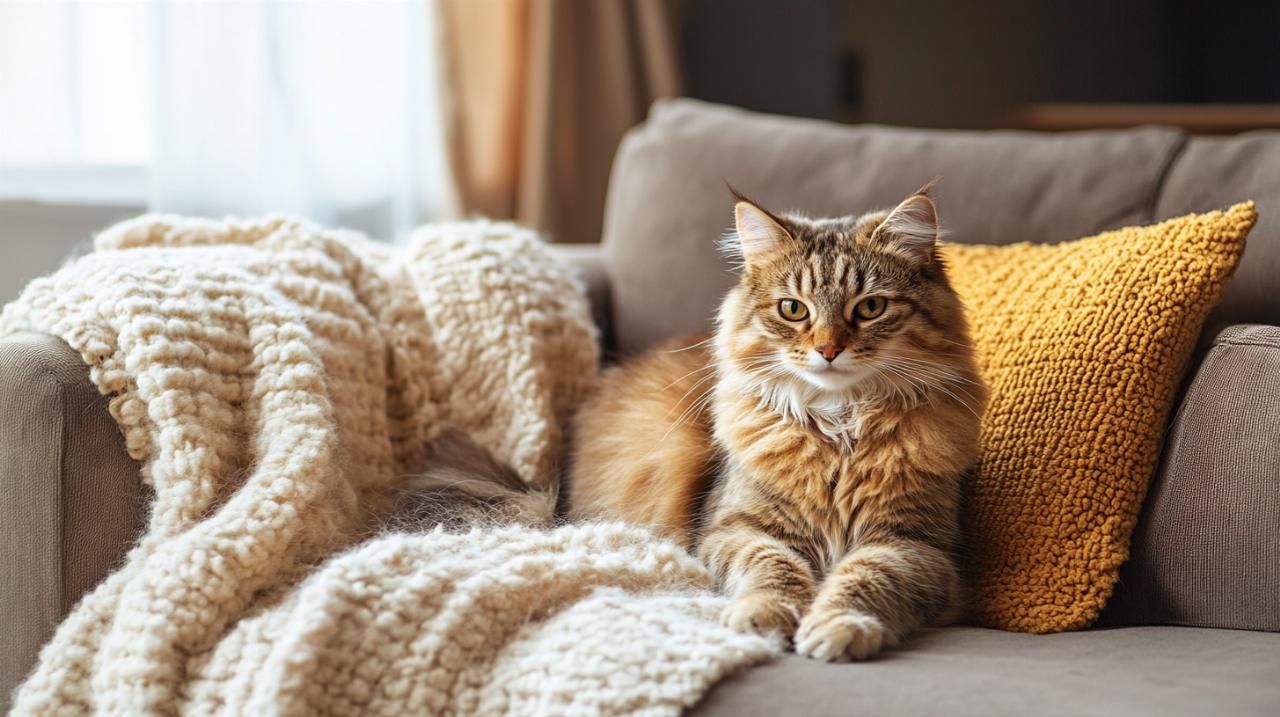
Whilst removing cat hair from blankets is important, prevention remains the most effective long-term strategy. Given that cats naturally shed between fifty and one hundred hairs daily, managing this at the source can dramatically reduce the amount of fur that ends up on your soft furnishings.
The benefits of brushing your cat regularly
Establishing a consistent grooming routine with your feline friend pays dividends in reduced shedding around the home. Daily brushing, particularly during seasonal shedding periods, captures loose hair before it has a chance to settle on blankets, sofas, and clothing. Many cats actually enjoy being brushed once they become accustomed to the sensation, making it a pleasant bonding activity as well as a practical measure. The type of brush matters too; slicker brushes work well for long-haired breeds, whilst rubber curry brushes suit short-haired cats. By dedicating just five to ten minutes each day to grooming, you can significantly decrease the amount of loose hair circulating in your home.
Long-Term Solutions to Minimise Shedding Around the Home
Creating designated spaces for your cat can help contain shedding to specific areas. Investing in a comfortable cat bed placed in your pet's favourite lounging spot encourages them to settle there rather than on your freshly laundered blankets. Some cat owners find success with washable covers on sofas and beds, which can be easily removed and cleaned weekly. Additionally, maintaining your cat's overall health through proper nutrition can influence the amount they shed, as a balanced diet supports healthier skin and coat. For particularly persistent shedding, consulting with a veterinarian can help rule out underlying health issues that might be exacerbating the problem.
Manual removal tools and their effectiveness
Beyond household items, a range of specialised tools has been developed specifically for pet hair removal. These products often combine multiple hair-lifting technologies to achieve superior results compared to makeshift solutions.
Lint rollers: a sticky solution for loose hairs
The humble lint roller remains a staple in any pet owner's cleaning arsenal. These devices use adhesive sheets that trap hair on contact, making them perfect for quick touch-ups before leaving the house. Whilst effective for surface-level hair, lint rollers can become expensive if used as a primary cleaning method, as the sheets need frequent replacement. For larger blankets, you might find yourself going through multiple sheets in a single session. Nevertheless, they excel at removing those last few stubborn hairs after you've tackled the bulk of the fur using other methods.
Comparing different manual fur removal methods
Specialised pet hair removal tools have evolved considerably in recent years. Anti-hair brushes with specially designed bristles can gather fur more efficiently than standard lint rollers. Lint shavers, originally designed for removing fabric pills, can also prove effective on certain types of blankets, though care must be taken with delicate materials. Pet hair sponges, made from materials that create static attraction, offer a reusable alternative to disposable lint roller sheets. Some enthusiasts even advocate for pumice stones, which can gather hair through gentle abrasion, though this method requires a delicate touch to avoid damaging fabric. Microfibre cloths dampened slightly can also attract hair effectively, and ordinary packing tape wrapped around your hand with the sticky side out provides a budget-friendly alternative to commercial products. The key is experimenting to find which method works best for your particular combination of blanket material and cat hair type, as effectiveness can vary considerably depending on these factors.