
Modern heating technology has transformed the way homes across the United Kingdom maintain warmth and comfort throughout the year. Among the most significant advancements in recent decades is the development of condensing boiler systems, which have become the standard for new installations since legislative changes were introduced. These systems represent a fundamental shift in how we approach domestic heating, offering substantial improvements in both performance and environmental responsibility. Understanding how these boilers function and the advantages they bring can help homeowners make informed decisions about their heating infrastructure.
How condensing boiler systems operate
The fundamental principle behind condensing boiler technology lies in its ability to capture and utilise heat that would otherwise escape through the flue. Unlike their predecessors, which allowed hot exhaust gases to exit the property at temperatures exceeding 200 degrees Celsius, condensing boilers recover this thermal energy before it dissipates into the atmosphere. This recovery process enables these systems to extract a remarkable proportion of the energy contained within the fuel they consume, with modern units achieving efficiency levels that surpass 90 per cent. The regulations implemented in 2005 mandated that all newly installed gas-fired boilers must possess an A-rating for efficiency, effectively making condensing technology the industry norm throughout England, Scotland, Wales, and Northern Ireland.
The heat recovery process in modern boilers
The ingenious mechanism that enables condensing boilers to achieve such impressive efficiency ratings centres on the concept of latent heat recovery. When natural gas combusts within the boiler, it produces water vapour alongside other exhaust gases. In traditional systems, this vapour would simply travel up the flue and exit the building, taking significant quantities of thermal energy with it. Condensing boilers, however, incorporate a secondary heat exchanger specifically designed to cool these exhaust gases to the point where the water vapour condenses back into liquid form. This phase change releases latent heat, which the system then transfers to the heating circuit. The flue gases that eventually leave a condensing boiler typically measure around 55 degrees Celsius, demonstrating just how much additional heat has been extracted. This recovered energy contributes directly to warming the central heating system and providing hot water, reducing the amount of fresh fuel required. The condensate produced during this process, which can amount to approximately two litres per hour for every 30 kilowatts of output, must be safely disposed of through a drainage system, which is why these boilers require a dedicated drain connection.
Key components that enable condensation technology
Several critical elements work in harmony to facilitate the condensing process. The secondary heat exchanger stands as perhaps the most distinctive feature, constructed from materials capable of withstanding the acidic nature of condensate while maximising heat transfer efficiency. This component sits within the exhaust path, ensuring that flue gases pass through it before exiting the property. The return water temperature plays a crucial role in determining how effectively the boiler can condense; systems achieve optimal performance when this temperature remains below 55 degrees Celsius. Heating configurations such as underfloor systems, which operate at flow temperatures between 35 and 45 degrees Celsius, can push efficiency ratings to between 92 and 94 per cent precisely because they facilitate more complete condensation. Weather compensation controls further enhance performance by adjusting the flow temperature according to external conditions, potentially improving efficiency by 8 to 12 per cent. Smart thermostats and programmable controls allow homeowners to fine-tune their heating schedules, ensuring the system operates only when necessary and at appropriate temperatures. The integration of these components creates a heating solution that responds intelligently to demand while maintaining maximum efficiency throughout its operational life.
Advantages of installing condensing boilers
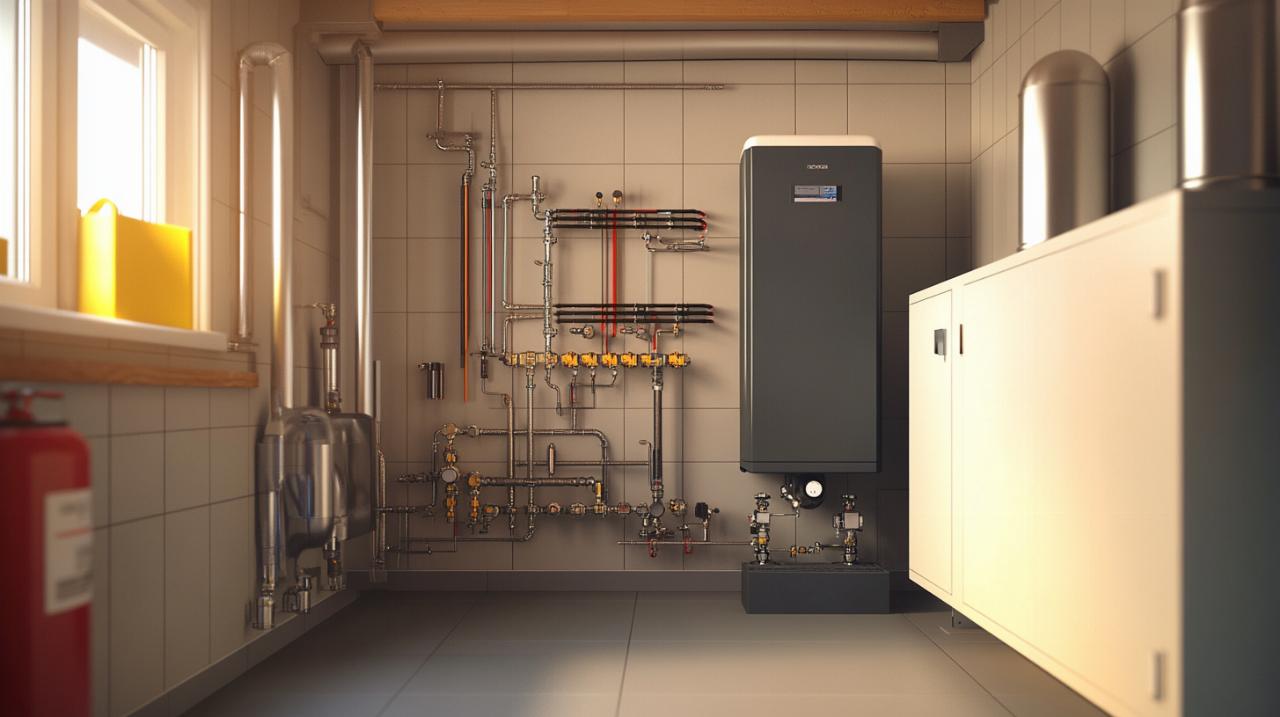
The transition to condensing technology brings numerous benefits that extend beyond simple heating provision. Homeowners who upgrade from older systems can expect tangible improvements in multiple areas, from financial savings to environmental responsibility. The comprehensive nature of these advantages has driven widespread adoption throughout the United Kingdom, with condensing boilers now representing the vast majority of residential heating installations. If you are interested in exploring a wide range of topics about home improvement and sustainable living, you might find it worthwhile to visit casamaribona.es where various aspects of domestic management are discussed. The decision to install a condensing boiler typically proves beneficial regardless of whether the project involves retrofit work in an existing property or forms part of new construction.
Energy efficiency and reduced running costs
The financial case for condensing boilers rests primarily on their superior energy efficiency compared to traditional models. Where older non-condensing systems might achieve efficiency ratings around 70 to 80 per cent, modern condensing units routinely exceed 90 per cent, with some models reaching 95 per cent efficiency. This improvement translates directly into reduced fuel consumption, as a greater proportion of each cubic metre of gas purchased contributes to heating the home rather than disappearing up the flue. For a typical household, this efficiency gain can generate annual savings between £200 and £400 on heating bills. Those upgrading from a boiler operating at 70 per cent efficiency to a 90 per cent efficient condensing model can expect to reduce their gas consumption by approximately 22 per cent. The consistent heat distribution provided by these systems also contributes to comfort and efficiency, as rooms reach desired temperatures more quickly and maintain them with less fuel. Combi boilers, which combine both central heating and instantaneous hot water provision in a single unit, offer additional space-saving advantages whilst delivering these efficiency gains. Regular annual servicing, which typically costs between £80 and £120, ensures the system maintains peak performance; neglecting this maintenance can reduce efficiency by 2 to 4 per cent annually and significantly increase the risk of breakdowns.
Environmental impact and carbon footprint reduction
Beyond the personal financial benefits, condensing boilers make a substantial contribution to environmental protection through their reduced carbon emissions. The improved efficiency means less natural gas must be extracted, processed, and transported to deliver the same level of warmth and comfort. A household consuming 15,000 kilowatt-hours of gas annually and upgrading from a 70 per cent efficient boiler to a 90 per cent efficient condensing model will cut their carbon dioxide emissions by approximately 610 kilogrammes each year. This reduction becomes increasingly significant when considered across millions of homes throughout the country. The lower flue temperatures also mean less thermal pollution affecting the immediate environment around the property. For those seeking even greater environmental benefits, condensing boilers can work alongside renewable technologies such as solar thermal systems, which provide supplementary water heating, or as part of hybrid systems that incorporate heat pumps. The Boiler Upgrade Scheme offers financial incentives, including £7,500 towards heat pump installations, encouraging homeowners to consider these ultra-low-carbon alternatives. Whether operating independently or as part of an integrated renewable energy strategy, condensing boilers represent a significant step towards sustainable domestic heating. Their widespread adoption since 2005 has contributed measurably to national carbon reduction targets, demonstrating how technological advancement and sensible regulation can combine to deliver meaningful environmental progress whilst simultaneously benefiting individual households through reduced energy expenditure.