
The fashion landscape is witnessing a remarkable transformation as sustainability takes centre stage, blending style with responsibility in ways that resonate with contemporary values. This shift towards ethical clobber is no longer a niche interest but a powerful movement, driven by consumers who seek to align their wardrobes with their principles. From plant-based leathers to cruelty-free dyes, the choices available today reflect a growing commitment to both environmental stewardship and animal welfare. Vegan accessories, in particular, have emerged as essential elements that not only complete an outfit but also embody a conscious lifestyle, offering a seamless blend of elegance and ethics.
The Rise of Ethical Clobber in Modern Wardrobes
The surge in ethical fashion reflects a profound change in how people perceive the impact of their clothing choices. Awareness of the environmental and ethical concerns tied to traditional materials has prompted a generation to rethink their relationship with fashion. Millennials and Gen Z, in particular, have become vocal advocates for sustainability, with 44% of younger millennials actively seeking out products that are both ethical and sustainable. This demographic shift is not merely a trend but a cultural evolution, as individuals recognise that every purchase carries the weight of a decision that can either harm or help the planet.
Why conscious consumers are choosing plant-based materials
The preference for plant-based materials stems from a desire to reduce harm to animals and minimise environmental degradation. Traditional leather production involves significant carbon emissions and water consumption, not to mention the ethical dilemmas surrounding animal welfare. In contrast, innovations such as mushroom leather, cactus leather, and apple leather offer compelling alternatives that deliver similar aesthetics and durability without the associated guilt. Mushroom leather, derived from mycelium, has captured the imagination of designers and consumers alike, with brands like Stella McCartney pioneering its use in luxury clobber. Similarly, cactus leather has gained traction for its minimal water requirements and biodegradability, making it an ideal choice for those who prioritise ecological balance. For anyone curious about exploring more sustainable lifestyle choices, you might find it enlightening to visit lapapaarruga.es as part of your journey towards conscious consumption. Piñatex, crafted from pineapple leaf fibres, represents another breakthrough, transforming agricultural waste into a versatile material that supports circular economy principles. These alternatives not only address environmental concerns but also resonate with a growing sentiment that fashion should celebrate life rather than exploit it.
How sustainable clobber is reshaping the fashion industry
The fashion industry is undergoing a seismic shift as sustainability transitions from a buzzword to a business imperative. The vegan fashion market is projected to grow by over 14% annually, with expectations to reach billions by 2030. This growth is fuelled by both consumer demand and regulatory pressures, as countries across Europe and beyond introduce bans on fur farming and sales. The United Kingdom has seen a staggering 700% increase in veganism, with 3.5 million people now identifying as vegan, representing 7% of the population. This cultural shift is mirrored in the United States, where vegan lifestyle adoption has surged by 600%, and Portugal, which recorded a 400% rise. Major retailers and luxury houses are responding to this momentum by expanding their vegan offerings. New Look became the first high street retailer in the UK to register with the Vegan Trademark, while George at Asda now ensures all its ladies' bags meet vegan standards. Luxury brands such as Gucci, Versace, and Hermès have embraced innovative materials, with Gucci launching vegan shoes made from wood pulp and Hermès developing a bag from fungus-derived fabric. Stella McCartney, a long-time champion of ethical fashion, released the first clothing item made from mushroom leather, setting a benchmark for the industry. Even sportswear giants like Adidas and Reebok have introduced vegan running shoes and sneakers, demonstrating that performance and ethics can coexist. The shift extends to production practices as well, with approximately 150 clothing brands collaborating with the Sustainable Apparel Coalition to adopt more responsible manufacturing processes. This collective effort underscores a broader recognition that the future of fashion lies in balancing creativity with care for the planet.
Vegan accessories: the perfect complement to eco-friendly style
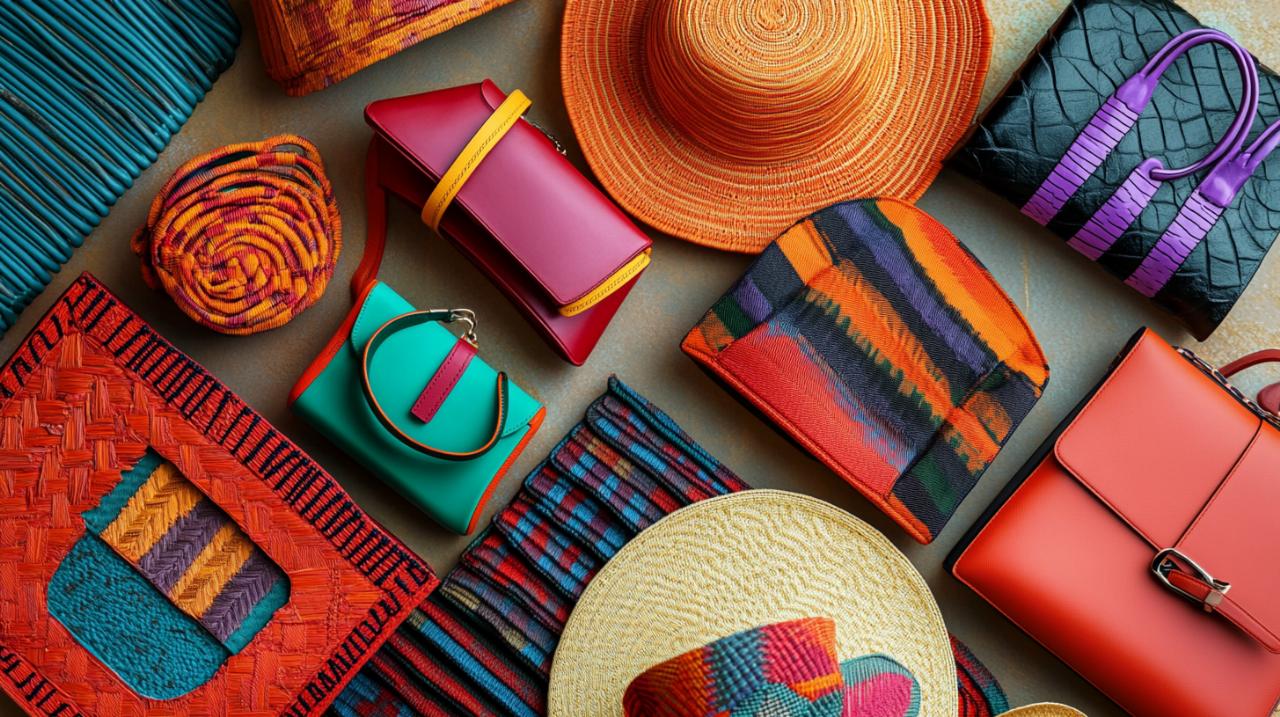
Accessories have always been the finishing touch that elevates an outfit, and vegan accessories now serve a dual purpose: they enhance personal style while reflecting a commitment to ethical principles. The demand for cruelty-free options has led to an explosion of creativity, with designers experimenting with materials that challenge conventional notions of luxury and quality. From handbags to belts, footwear to jewellery, the range of vegan accessories available today is as diverse as it is impressive. The global vegan footwear market alone was valued at over 34 billion USD in 2025 and is expected to reach 71 billion USD by 2035, growing at an annual rate of 7.2%. In the United States, this market is predicted to hit 30 billion USD by 2030, a testament to the widespread appeal of plant-based alternatives. The appeal lies not only in the materials themselves but also in the innovation behind them. Brands are leveraging biodegradable materials, upcycled fabrics, and eco-friendly dyes to create products that are as kind to the environment as they are to the wearer. The use of turmeric, indigo, and beetroot for natural dyes adds a vibrant palette to vegan clobber, while non-toxic synthetics offer durability without the environmental toll of conventional chemicals. Plant-based packaging, made from mycelium, bamboo, or corn starch plastics, further reduces the carbon footprint of these products, ensuring that sustainability is woven into every aspect of the supply chain.
Must-have plant-based accessories for every outfit
Building a wardrobe that aligns with ethical values means curating accessories that are both functional and fashionable. Vegan leather handbags, crafted from materials like apple leather or cactus leather, offer a sophisticated alternative to traditional leather, with textures and finishes that rival their animal-derived counterparts. These bags are not only stylish but also durable, capable of withstanding daily wear while maintaining their aesthetic appeal. Footwear is another area where plant-based materials shine. Vegan trainers and boots, made from recycled apple peel fibres or pineapple plant fibres, combine comfort with conscience, appealing to those who refuse to compromise on either. Tommy Hilfiger and Hugo Boss have both launched sneakers and trainers that incorporate these innovative materials, proving that high fashion and sustainability can walk hand in hand. Belts, wallets, and smaller accessories made from OEKO-TEX certified vegan leather provide the perfect complement to any ensemble, offering practicality without the ethical dilemmas associated with conventional leather. Even jewellery has embraced the vegan ethos, with pieces made from recycled metals and synthetic gemstones that mimic the beauty of natural stones without the environmental cost. These accessories are not mere add-ons but statements of intent, reflecting a lifestyle that prioritises compassion and responsibility.
Brands Leading the Way in Cruelty-Free Fashion Accessories
The brands driving the vegan accessories movement are as varied as the materials they employ, ranging from established luxury houses to innovative start-ups. Stella McCartney remains a trailblazer, with her square quilted Falabella shoulder bag crafted from vegan and sustainable materials, embodying both elegance and ethics. The bag's design showcases how luxury can be redefined without reliance on animal products, setting a standard for others to follow. Kuma Design stands out for its use of OEKO-TEX certified vegan leather and its commitment to recycling materials, thereby reducing its carbon footprint and promoting a circular economy. Brave Gentle Man, the first fully vegan men's lifestyle brand, employs EU-Ecolabel Certified PU fibre, known as future leather, to create accessories that appeal to a discerning clientele. Unreal Fur, though focused on outerwear, extends its ethos to accessories, using vegan fur and exploring sustainable fibres like hemp and PET for future collections. Meanwhile, mainstream retailers such as Superdry, Gola, Kurt Geiger, Accessorize, and Grenson Shoes have all registered products with the Vegan Trademark, making cruelty-free fashion accessible to a broader audience. Kurt Geiger, in particular, has launched a collection featuring numerous styles of vegan footwear, demonstrating that ethical choices need not be limited to niche markets. Even fast fashion giants like H&M are entering the fray, with a new collection utilising cactus leather, signalling a shift in industry standards. The availability of vegan fashion products in the UK and US has increased significantly, with the Vegan Trademark certifying thousands of fashion items. This certification provides consumers with the assurance that their purchases meet rigorous ethical standards, fostering trust and transparency in an industry often criticised for its opacity. The fact that 63% of people who try Veganuary continue with a vegan lifestyle underscores the lasting impact of these choices, as individuals discover that ethical fashion is not a sacrifice but an enhancement to their lives.
The rise of sustainable fashion trends, anchored by vegan accessories, represents more than a passing fad. It is a reflection of a deeper societal shift towards values that prioritise the well-being of the planet and its inhabitants. As the market continues to expand, driven by consumer demand and technological innovation, the possibilities for ethical clobber are boundless. The journey towards a more sustainable wardrobe is one that invites creativity, curiosity, and commitment, offering a path where style and substance are no longer at odds but are instead harmoniously intertwined.