
There's something rather special about a handbag that refuses to go out of style, isn't there? Whilst fleeting trends come and go with each passing season, certain designs possess an enduring quality that transcends the whims of fashion. These pieces become more than mere accessories; they transform into cherished companions that accompany us through various chapters of our lives, maintaining their relevance and desirability decade after decade.
The enduring appeal of iconic handbag craftsmanship
The magic of a truly timeless handbag lies in its ability to strike a delicate balance between form and function. Unlike contemporary pieces that might dazzle momentarily before fading into obscurity, classic designs possess an inherent elegance that speaks to something deeper within us. These investment pieces represent a commitment to quality over quantity, a philosophy that has gained renewed appreciation in recent years as consumers increasingly seek out items that will stand the test of time. When you check out losmasdeseados.es, you'll discover that the most coveted designer handbags share certain unmistakable characteristics that elevate them beyond temporary fascination.
What makes a handbag design truly timeless
The distinction between a passing trend and an enduring classic often comes down to versatility and understated sophistication. Iconic handbags from houses like Hermès, Chanel, and Louis Vuitton have maintained their status symbols position precisely because they adapt seamlessly to changing fashion eras without losing their essential character. The Chanel 2.55, introduced in the mid-fifties with its revolutionary shoulder strap and quilted leather, exemplified this forward-thinking approach. Similarly, the Hermès Kelly bag gained legendary status when Grace Kelly herself showcased its elegant lines, whilst the Birkin later emerged from a chance encounter that would reshape luxury fashion. These structured handbags weren't simply designed to follow trends; they were crafted to create them, offering a timeless elegance that transcends individual style preferences and cultural shifts.
How quality materials contribute to longevity
The foundation of any enduring design rests firmly upon the materials from which it's crafted. Luxury materials such as supple leather, fine suede, and carefully selected textiles form the backbone of pieces that can withstand not just physical wear but also the passage of fashion's ever-changing tides. Bottega Veneta's distinctive intrecciato weave, developed during the swinging sixties, demonstrated how innovative craftsmanship could transform raw materials into something unmistakably luxurious. The fashion investment aspect of these pieces becomes particularly apparent when one considers how Gucci once turned wartime sanctions into an opportunity, using bamboo for handles in a design choice that would become iconic. Meanwhile, Prada's revolutionary nylon bag challenged traditional notions of what constituted luxury materials, proving that innovation could coexist with lasting appeal. These leather handbags and their material counterparts represent a commitment to craftsmanship that ensures they remain as relevant today as when they first graced boutique shelves.
Why this particular design has remained popular since the early 1990s
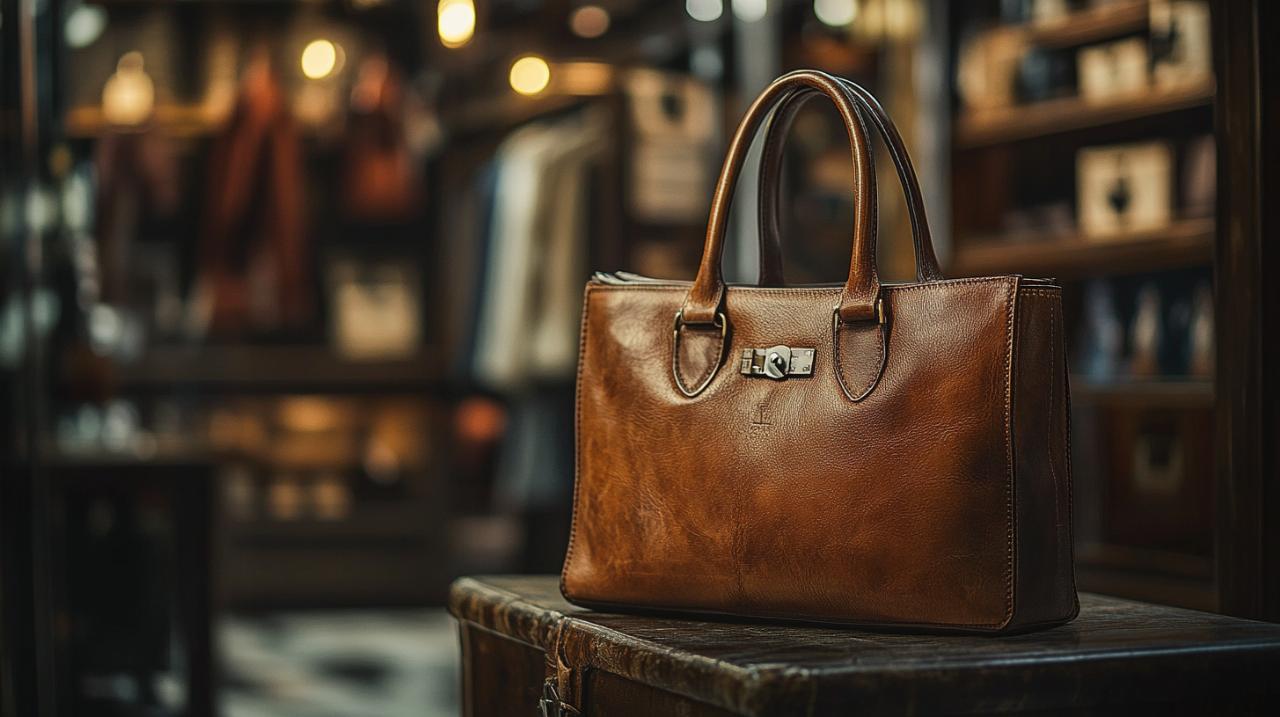
The latter part of the twentieth century witnessed the emergence of what would become known as the It-bags phenomenon, yet amongst this sea of must-have accessories, certain designs distinguished themselves through their remarkable staying power. The Fendi Baguette, launched during the late nineties, exemplified this phenomenon perfectly. Its compact silhouette and statement-making presence captured the zeitgeist of pop culture whilst maintaining an elegance that ensured its relevance long after its initial debut. The handbag trends of that era emphasised bold branding and monograms, yet the most successful pieces managed to balance visibility with sophistication, creating designs that could transition seamlessly from one decade to the next.
The versatility that suits every generation
What truly separates enduring classics from fleeting favourites is their remarkable ability to resonate across generational divides. The handbag designs that have thrived for over three decades possess an adaptability that allows them to complement the wardrobes of both those who first fell in love with them decades ago and younger fashion enthusiasts discovering them anew. Shoulder bags and tote bags from established houses like Mulberry, which opened its doors in the early seventies, have demonstrated this cross-generational appeal through their ability to evolve subtle details whilst maintaining core design principles. The same holds true for clutches that once accompanied their owners to legendary venues like Studio 54 and continue to appear at contemporary gatherings. These pieces work equally well with the tailored elegance of fifties fashion, the bohemian spirit of seventies style, the maximalist exuberance of eighties fashion, and the minimalist sophistication that has defined more recent eras.
Celebrity endorsements and cultural impact over the years
The relationship between luxury bags and cultural icons has played an undeniable role in cementing certain designs within the public consciousness. When Audrey Hepburn requested a smaller version of the Louis Vuitton Speedy, she inadvertently created a piece that would become synonymous with understated chic. The Lady Dior gained its current name following its association with Princess Diana, transforming it from a simple tote into a symbol of refined elegance. More recently, collaborations between luxury fashion houses and contemporary artists, such as Louis Vuitton's partnership with Takashi Murakami, have demonstrated how classic styles can be reimagined without losing their essential character. The Dior Saddle bag experienced a remarkable resurrection in the new millennium, proving that even designs from specific fashion eras could find renewed relevance. Meanwhile, waiting lists for pieces like Chloé's Paddington bag, which weighed over a kilogramme yet sold out before reaching stores, illustrated the enduring power of designer collaborations and celebrity influence. These moments of cultural convergence, from Bottega Veneta's pillowy designs being compared to therapy dogs by prestigious publications to Kate Moss popularising Balenciaga's Motorcycle bag, have ensured that certain handbag designs remain firmly embedded in our collective fashion consciousness, their desirability undiminished by the passage of time.