
The world of photography has always been rich with possibilities, and today's landscape offers an astonishing variety of tools for capturing life's moments. Whether you are a seasoned professional seeking ultimate control or simply someone who wants to preserve holiday memories, the market now presents an array of options that cater to every imaginable need. From classic film cameras that evoke a sense of nostalgia to cutting-edge digital solutions that fit in your pocket, the evolution of photographic technology has opened doors to creative expression for everyone.
The Evolution of Photography: Traditional Film Cameras and Their Lasting Appeal
Photography began its journey in the early nineteenth century with the camera obscura and light-sensitive chemicals, marking a turning point in how humans documented their world. In eighteen twenty-six, Joseph Nicéphore Niépce created the first permanent photograph using bitumen-coated pewter plates, a milestone that laid the foundation for all future developments. Just over a decade later, Louis Daguerre introduced the daguerreotype camera to the public in eighteen thirty-nine, producing detailed images on silver-coated copper plates and setting a new standard for image quality. The real breakthrough in accessibility came when George Eastman introduced roll film in the eighteen eighties, and by eighteen eighty-eight, his Kodak camera had brought photography within reach of ordinary people. Colour photography took another leap forward in nineteen oh-seven when the Lumière brothers developed Autochrome plates, and later, Kodak's Kodachrome film became immensely popular for colour photos from nineteen thirty-five onwards. The period from the nineteen thirties to the nineteen fifties is often regarded as the golden age of film photography, driven by remarkable advancements in film emulsions and camera design.
Understanding the Mechanics and Charm of Analogue Photography
Film photography remains a deeply tactile experience, one that requires patience and a genuine commitment to mastering the interplay of light and shadow. Each frame demands thoughtful consideration of composition, exposure, and timing, as there are no instant previews or endless opportunities for retakes. This deliberate approach encourages photographers to slow down and engage more intimately with their subject matter, fostering a deeper connection to the craft itself. The medium also offers longer archival properties than many digital formats, with properly stored negatives and prints retaining their quality over decades. Brands such as Agfa Photo continue to support this tradition by offering products like the Reusable Camera and colour film options, ensuring that enthusiasts have access to reliable materials. Film produces natural colours, gradients, and tones that many find unmatched by digital processes, and each image carries a distinct aesthetic that is difficult to replicate. This unique quality has breathed new life into the medium, as photographers increasingly seek to combine traditional techniques with modern workflows.
Why film cameras remain popular among photography enthusiasts
Despite the convenience and immediacy offered by digital solutions, film photography has experienced a notable revival in recent years. Social media platforms have played a crucial role in spreading awareness of film's nostalgic appeal and distinctive look, attracting a new generation of creatives eager to explore its possibilities. The tactile nature of handling film, loading it into a camera, and waiting for prints to return from the lab creates a sense of anticipation and reward that digital workflows often lack. Film photographs possess a depth and quality of colour and light that can be breathtaking, capturing nuances that resonate on an emotional level. Many photographers appreciate the control and discipline that working with film demands, as it hones their skills in ways that digital automation cannot. Moreover, the archival properties of film mean that images can endure for generations, offering a tangible record of moments that digital files, vulnerable to data loss or format obsolescence, may not always guarantee. This enduring charm has led to a resurgence in interest, with both seasoned professionals and curious newcomers embracing film as a valuable complement to their digital pursuits.
Modern Digital Photography: Choosing the Right Camera for Your Needs
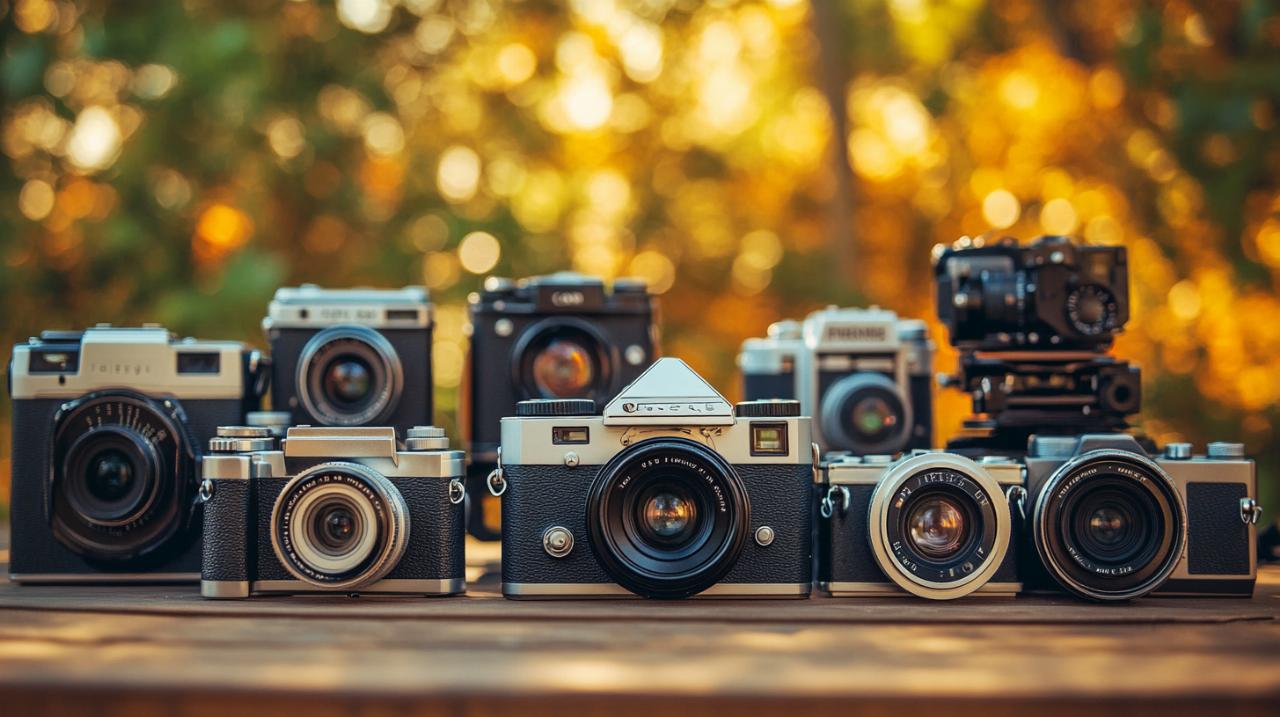
The digital revolution began to take shape in earnest during the late twentieth century, fundamentally altering the landscape of photography with its promise of convenience, lower costs, and instant results. In nineteen seventy-five, Steven Sasson, an engineer at Kodak, invented the first digital camera, a device weighing around eight pounds and roughly the size of a toaster. It used a Fairchild one hundred by one hundred pixel sensor to capture black and white images, taking twenty-three seconds to record a single photograph to a cassette tape. The first photo captured was of a lab assistant named Joy Marshall, marking a historic moment in imaging technology. Although Kodak executives were initially hesitant about digital photography, fearing it would undermine their lucrative film sales, the industry's trajectory was set. By the mid-two thousands, digital camera sales had surpassed those of film cameras, and in two thousand and three, Canon's Digital Rebel brought a six-megapixel model to consumers for around one thousand dollars, democratising access to professional-quality equipment. Today, advancements in sensor technology, including smaller and more powerful options, have transformed digital photography into a versatile and accessible medium for all.
Comparing dslr, mirrorless, and compact digital cameras
When selecting a digital camera, understanding the differences between DSLR, mirrorless, and compact models is essential to making an informed choice. Digital single-lens reflex cameras, commonly known as DSLRs, have long been the standard for professionals and serious enthusiasts, offering interchangeable lenses, robust build quality, and extensive manual controls. Mirrorless cameras have emerged as a popular alternative, delivering similar image quality and flexibility while being lighter and more compact, thanks to the absence of a mirror mechanism. This design innovation has made mirrorless systems particularly appealing for travel and street photography, where portability is a priority. Compact digital cameras, on the other hand, are designed for simplicity and convenience, often featuring fixed lenses and automatic settings that make them ideal for casual users. Recent developments in image processing algorithms and sensor technology have narrowed the gap in performance between these categories, with even compact models now capable of producing impressive results. Features such as autofocus, exposure control, and connectivity options like Wi-Fi and Bluetooth have become standard across many digital cameras, enabling seamless sharing and post-processing. Whether you are drawn to the optical viewfinder and traditional handling of a DSLR or the modern versatility of a mirrorless system, the digital market offers a solution tailored to your specific requirements.
Practical applications: professional work versus holiday snaps
The choice of camera often hinges on the intended application, as the needs of a professional photographer differ significantly from those of someone capturing holiday memories. For professional work, image quality, reliability, and adaptability are paramount, which is why many opt for high-end DSLRs or mirrorless systems with interchangeable lenses and advanced controls. These tools allow for precise adjustments to lighting, depth of field, and composition, ensuring that every shot meets exacting standards. In contrast, holiday snaps and everyday photography prioritise ease of use, portability, and speed, making compact digital cameras or even smartphone cameras an excellent fit. The range of products available today reflects this diversity, with offerings such as the AgfaPhoto Realishot DC9200, featuring ten times optical zoom, and the Realishot WP8000 waterproof camera designed for adventurous outings. Action cameras like the Realimove AC9500, capable of recording in 4K video and waterproof construction, cater to those seeking rugged performance in dynamic environments. Meanwhile, products like the Realikids Instant Cam introduce younger users to photography in a fun and accessible way, complete with instant printing capabilities. Digital photo frames and portable printers further extend the utility of digital photography, allowing images to be displayed and shared in creative formats. The convergence of these technologies has fostered a culture of pervasive photography and instant image sharing through social media, transforming how we document and experience our lives. Whether you are a professional snapper or simply looking to capture treasured moments, the versatility of modern cameras ensures that there is a perfect tool for every situation.