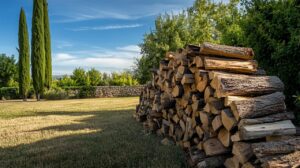
When the chill settles into your home during the cooler months, reliable heating becomes a top priority for any household. Across the Vaucluse region, particularly around Sorgues, many residents turn to traditional wood burning as both an economical and environmentally considered choice. Understanding which varieties of timber deliver the best performance for your stove or fireplace can make all the difference between a cosy evening and an inefficient struggle with smoky, underperforming logs. This exploration of firewood selection offers practical guidance for those seeking warmth and efficiency throughout the winter season.
Understanding different wood species for optimal home heating
Selecting the appropriate wood for your heating needs involves recognising the fundamental differences between various species. Not all timber is created equal when it comes to generating sustained warmth, and the distinctions between hardwoods and softwoods play a crucial role in performance. Beyond species alone, the condition of the wood when it reaches your log basket significantly affects how well it burns and how much heat it produces.
Hardwoods Versus Softwoods: What's the Difference for Your Stove?
Hardwoods such as oak, ash, and beech are renowned for their density and ability to burn slowly whilst producing intense, lasting heat. These woods are particularly well-suited for prolonged heating sessions, as they maintain a steady temperature over extended periods. Oak, for instance, holds a reputation as one of the highest quality firewood options available, delivering exceptional heat output and minimal smoke when properly seasoned. Similarly, beech and ash provide reliable performance for those seeking consistent warmth without frequent refuelling.
Softwoods like pine, spruce, and fir present different characteristics. Whilst they ignite more readily and can serve admirably as kindling to get a fire started, they burn through more quickly and produce less overall heat compared to their hardwood counterparts. These lighter woods also tend to generate more smoke and contribute to creosote buildup in chimneys, which can increase the risk of chimney fires if not managed properly. However, their ease of lighting makes them valuable for specific purposes within a broader wood burning strategy.
Regional varieties found in southern European climates offer unique properties worth considering. Olive wood, when correctly seasoned, burns slowly and produces substantial heat, though it can be smoky if not adequately dried. Almond wood similarly delivers hot, long-lasting burns with excellent coal production, whilst holm oak provides very dense timber that generates lasting heat with minimal smoke. Understanding these regional options helps match local availability with heating requirements.
Moisture content and seasoning: why proper preparation matters
The moisture content within timber fundamentally determines its burning efficiency and safety. Seasoned wood, which has been dried for at least twelve months and ideally achieves a moisture content below twenty percent, burns cleanly and efficiently. The very best results come from wood with moisture levels of fifteen percent or lower, with readings under ten percent representing optimal conditions. Such thorough drying ensures maximum heat output whilst minimising smoke production and harmful creosote accumulation.
Green wood, by contrast, contains excessive moisture that prevents efficient combustion. Attempting to burn unseasoned logs results in smoky, inefficient fires that struggle to maintain temperature and deposit tar throughout the flue system. This not only wastes fuel but also creates significant safety hazards through increased chimney fire risk. A simple moisture meter provides an inexpensive means of verifying wood dryness before purchasing or burning, offering peace of mind regarding quality and safety.
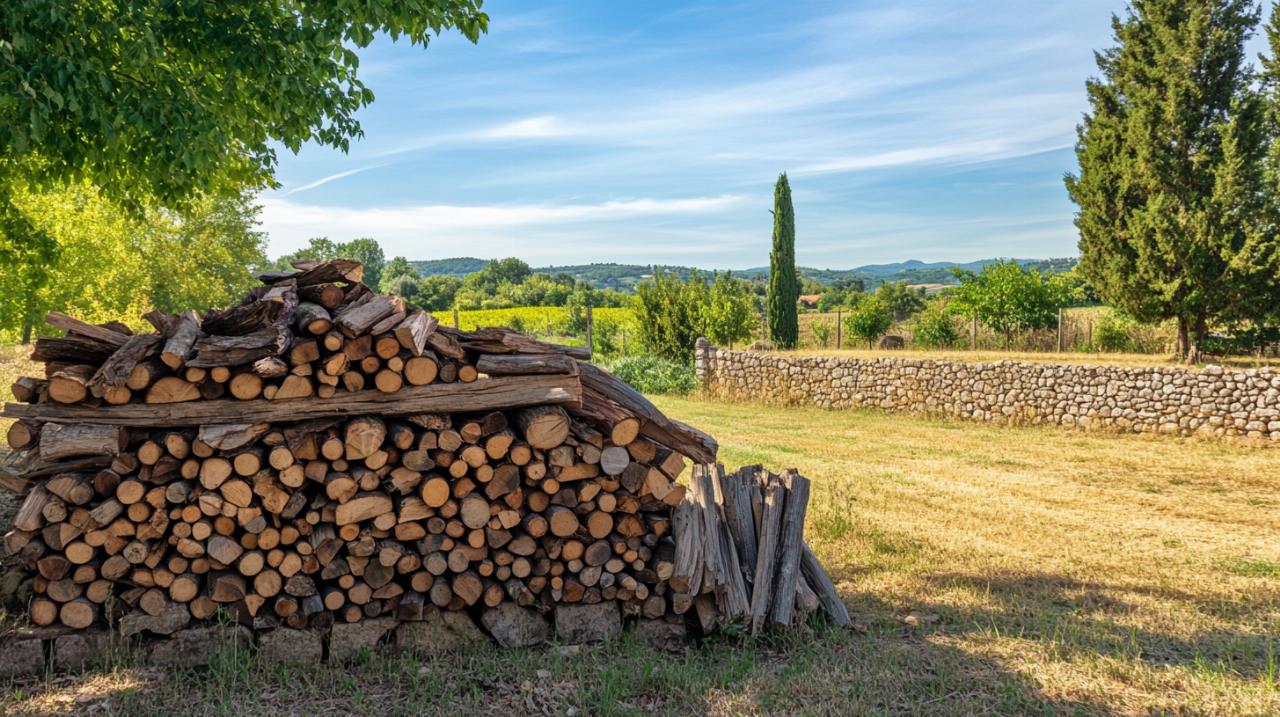
Proper seasoning requires time and appropriate storage conditions. Wood should be split and stacked in a well-ventilated location that provides protection from rain whilst allowing air circulation. Keeping logs off the ground prevents moisture absorption from below, whilst a crisscross stacking pattern promotes airflow throughout the pile. These seemingly simple measures make the difference between purchasing timber that performs as expected and dealing with disappointing, smoky results that offer little warmth for your investment.
Evaluating Local Firewood Suppliers in the Vaucluse Region
Finding a trustworthy supplier in the Sorgues area requires attention to several key factors that indicate quality and reliability. The local market offers various options for sourcing firewood, but not all providers maintain the same standards regarding wood preparation, customer service, or delivery reliability. Taking time to assess potential suppliers before committing to a purchase helps ensure satisfaction throughout the heating season.
What to Look for in Customer Reviews and Service Reputation
Customer feedback provides invaluable insight into supplier reliability and product quality. Reviews revealing consistent satisfaction with wood condition, delivery punctuality, and customer service suggest a provider worth considering. Pay particular attention to comments regarding moisture content and seasoning, as these directly affect heating performance. Suppliers who take pride in delivering properly dried timber typically earn recognition through positive customer experiences shared online or through word-of-mouth recommendations.
Established local businesses with long-standing reputations in the community often demonstrate greater commitment to quality compared to occasional sellers or newcomers without track records. A supplier who answers questions knowledgeably about wood species, seasoning processes, and storage recommendations shows professional expertise that translates into better products. Similarly, businesses that offer guidance on matching wood types to specific heating systems demonstrate customer-focused service that extends beyond simple transactions.
Transparency regarding sourcing practices also merits consideration. Suppliers committed to sustainable forestry practices contribute to environmental responsibility whilst ensuring long-term availability of quality timber. Firewood derived from sustainably managed woodlands represents a renewable, carbon-neutral heating option when burned efficiently, making it an environmentally sound choice for conscientious consumers.
Delivery options and coverage areas around sorgues
Practical considerations such as delivery availability and coverage areas significantly impact supplier selection. Providers serving the Sorgues region should offer clear information about delivery zones, minimum order quantities, and scheduling flexibility. Reliable delivery service eliminates the logistical challenges of transporting substantial quantities of wood yourself, whilst ensuring timber arrives in good condition and is properly stacked if such service is included.
Some suppliers maintain regular delivery routes throughout the Vaucluse area, offering scheduled deliveries that allow planning ahead for winter needs. Others provide more flexible arrangements, accommodating urgent orders or specific timing requests. Understanding these options helps match supplier capabilities to your particular circumstances, whether you prefer a single large delivery before winter or smaller, more frequent shipments throughout the season.
Local suppliers based in or near Sorgues often provide advantages regarding delivery costs and turnaround times compared to more distant providers. Their familiarity with the area also tends to result in more reliable service and better communication regarding access considerations or delivery scheduling adjustments when needed.
Selecting the Right Firewood for Your Specific Requirements
Matching firewood characteristics to your particular heating system and usage patterns ensures optimal performance and value. Different wood burners, stoves, and fireplaces may favour specific wood types or sizes, whilst your heating frequency and budget considerations influence how much and what quality of wood makes sense for your situation.
Matching Wood Types to Your Heating System and Usage Patterns
Wood burners and modern stoves generally perform best with dense hardwoods that provide sustained heat output over extended periods. If you rely on wood burning as your primary heating source, investing in high-quality hardwoods like oak or ash delivers the efficiency and burn time needed for consistent warmth. These woods justify their higher cost through superior performance and reduced consumption compared to lower-grade alternatives.
For occasional or supplementary heating, a mix of wood types might prove more economical. Using softwoods or medium-density hardwoods for shorter heating sessions whilst reserving premium hardwoods for extended burns allows flexibility without compromising comfort. Understanding your typical usage patterns helps determine the proportions of different wood types that best suit your needs.
Avoiding certain woods protects both your health and your heating system. Resinous woods like pine create excessive creosote buildup, whilst painted or treated timber releases toxic fumes when burned. Similarly, household waste or rubbish should never be used as fuel, as this practice is both unsafe and illegal. Sticking to properly seasoned, untreated natural wood ensures safe, efficient heating.
Quantity, Storage, and Cost Considerations for Year-Round Warmth
Estimating the quantity of firewood needed for a heating season depends on several variables including home insulation, heating system efficiency, climate severity, and personal comfort preferences. As a general guideline, households relying primarily on wood heating typically require several cubic metres of seasoned wood annually. Consulting with experienced suppliers can help refine estimates based on your specific circumstances.
Adequate storage capacity and facilities influence purchasing decisions. If you have space for a proper woodshed or covered storage area, buying wood well in advance and allowing it to season further before use offers both cost savings and quality advantages. However, those with limited storage may need to arrange smaller, more frequent deliveries, which can affect overall cost and convenience.
Price comparisons should account for wood quality alongside quantity. Cheaper wood often proves more expensive in practice if it contains excessive moisture, burns inefficiently, or includes inferior species that provide less heat. Evaluating suppliers based on the combination of price, quality, and service rather than cost alone leads to better long-term value and satisfaction. Planning ahead and purchasing during off-peak periods may also yield savings compared to last-minute orders during cold snaps when demand peaks.