
Ensuring your property remains secure whilst maintaining a discreet appearance has become a priority for many homeowners. The installation of outdoor surveillance cameras offers peace of mind, but their visible presence can sometimes detract from a property's aesthetic appeal or even invite tampering. Learning how to effectively conceal these devices without compromising their function is a skill that combines practicality with creativity, enabling you to safeguard your home whilst preserving its visual charm.
Mastering the Art of Camera Camouflage
Blending your surveillance equipment seamlessly into its surroundings is the foundation of effective concealment. The first step involves careful observation of the environment where the camera will be positioned. Taking note of the dominant colours, textures, and materials around the installation site allows you to select camouflage techniques that render the device nearly invisible to the casual observer. This approach not only enhances security by preventing vandalism but also ensures that the camera remains an unobtrusive element of your outdoor space.
Matching Your Camera to the Environment
The success of any camouflage effort hinges on how well the camera blends with its immediate surroundings. If the device is to be mounted against brickwork, selecting a housing or wrap that mirrors the brick's colour and texture can make the camera virtually disappear. Similarly, if the installation is planned near foliage or garden features, opting for shades of green or brown can achieve a natural look. Many homeowners have found that visiting resources like the global marinas website can provide inspiration for integrating technology with outdoor aesthetics, offering ideas that extend beyond traditional security setups.
Using paint, wraps, and protective covers
Once you have identified the appropriate colours and patterns, the next step involves applying these to your camera. Specialised camouflage wraps are available that adhere to the camera housing without damaging the equipment or interfering with its functionality. Alternatively, weather-resistant paints designed for outdoor use can be carefully applied to the camera's exterior. It is essential to ensure that any paint or wrap does not obstruct the lens or interfere with sensors, as this would compromise the quality of the footage. Protective covers that mimic natural elements such as tree bark or stone are also available and offer an additional layer of discretion whilst safeguarding the device from the elements.
Leveraging natural features for discreet placement
Nature itself offers a wealth of opportunities for concealing surveillance cameras without the need for extensive modifications. By thoughtfully positioning cameras amongst existing vegetation and landscape elements, you can achieve a setup that is both functional and aesthetically pleasing. This method not only reduces the visibility of the camera but also takes advantage of the natural environment to create a harmonious security solution.
Positioning amongst vegetation and landscape elements
Placing a camera amongst dense foliage or behind a strategically positioned shrub can provide excellent concealment whilst still offering a clear line of sight. Care must be taken to ensure that plants do not obstruct the lens or create blind spots that could compromise the camera's effectiveness. Regular pruning and maintenance of surrounding vegetation are necessary to prevent overgrowth that might obscure the view or draw attention to the concealed device. Rock gardens, ornamental grasses, and even climbing vines can serve as natural shields, blending the camera into the landscape in a way that appears entirely organic.
Selecting optimal height and viewing angles
The height at which a camera is installed plays a crucial role in both its effectiveness and its visibility. Mounting the device at a higher vantage point can expand its field of view whilst simultaneously placing it out of easy reach, thereby reducing the risk of tampering. However, this must be balanced against the need to avoid drawing attention. Angling the camera slightly downward can help it capture important activity whilst minimising its profile against the sky or building facade. Taking the time to experiment with different positions and angles before finalising the installation ensures that the camera remains discreet yet functional.
Integrating cameras into existing garden structures
Garden ornaments and decorative features present unique opportunities for concealing surveillance equipment. By integrating cameras into items that naturally belong in an outdoor setting, you can achieve a level of camouflage that is both effective and charming. This approach transforms the camera from an obvious piece of technology into a seamless part of your garden's design.
Creative Concealment with Birdhouses and Ornaments
Birdhouses, garden statues, and even decorative planters can all serve as clever hiding places for cameras. Purpose-built birdhouse cameras are available that combine authentic-looking housing with a functional lens, allowing you to monitor your property without anyone being the wiser. Similarly, cameras can be discreetly installed within lanterns or other garden lighting fixtures, where they blend in as part of the overall landscape. The key to success with these methods is ensuring that the ornament appears genuine and is positioned in a way that does not arouse suspicion.
Disguising technology as decorative features
Beyond birdhouses, other decorative elements such as fake rocks or garden gnomes can be adapted to house cameras. These items are designed to look entirely natural and can be placed in a variety of locations without raising eyebrows. When selecting such disguises, it is important to choose products that are made from weather-resistant materials and that offer adequate protection for the camera's internal components. Additionally, ensuring that the camera's lens is positioned to capture the desired area without obstruction is critical to maintaining the quality of the surveillance footage.
Managing Cables and Wiring for a Seamless Look
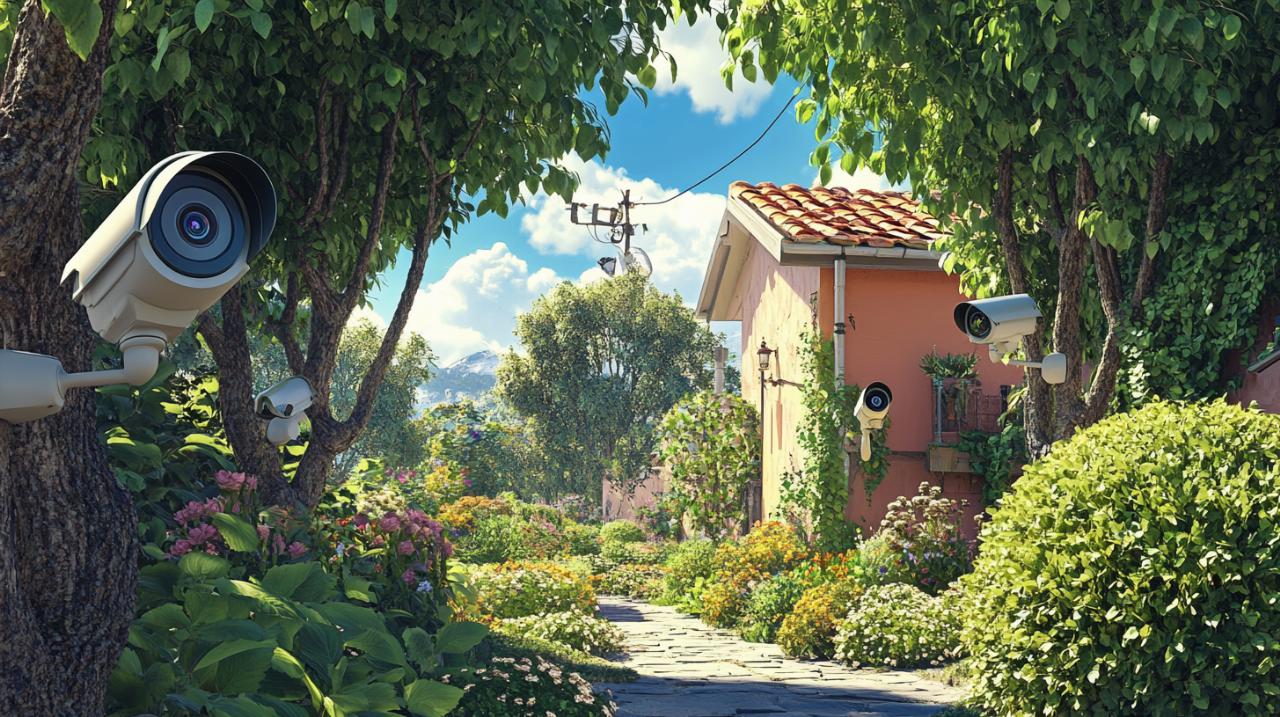
Even the most effectively camouflaged camera can be undermined by visible cables and wiring. Proper cable management is essential to maintaining the discreet appearance of your surveillance setup. Taking the time to hide or conceal wires not only enhances the overall aesthetic but also reduces the risk of interference or damage to the system.
Underground installation and conduit solutions
One of the most effective methods for concealing cables is to bury them underground. This approach requires careful planning and execution, as cables must be protected within conduit to prevent damage from moisture or physical disturbances. Trenching a shallow path from the camera to the recording device or power source allows the cables to remain hidden whilst maintaining a secure connection. For properties where digging is not feasible, surface-mounted conduits that match the colour of the building or surrounding features can provide a practical alternative.
Routing wires to avoid detection
In situations where underground installation is not possible, routing cables along existing architectural features can be highly effective. Running wires along the underside of eaves, behind gutters, or within trim and moulding helps to keep them out of sight. Cable covers that match the colour of the surface to which they are attached can further reduce visibility. Wireless camera systems offer an additional option, eliminating the need for extensive cabling altogether, although they do require regular maintenance to ensure battery levels remain adequate.
Balancing lighting requirements with discretion
Adequate lighting is crucial for capturing clear and useful footage, yet overly bright or conspicuous lighting can draw unwanted attention to the camera's location. Striking the right balance between illumination and discretion is essential for maintaining both security and subtlety.
Ensuring quality footage without drawing attention
Modern surveillance cameras often come equipped with infrared night vision capabilities, allowing them to record clear footage even in low-light conditions without the need for visible lighting. This feature is invaluable for maintaining a discreet setup, as it eliminates the need for external lights that might otherwise highlight the camera's presence. When additional lighting is necessary, opting for motion-activated lights that only activate when needed can help to minimise attention whilst still providing the illumination required for quality recordings.
Strategic illumination techniques for surveillance
Positioning lights in a way that illuminates the area of interest without directly spotlighting the camera itself requires careful planning. Soft, diffused lighting that blends with the natural or ambient light of the surroundings is preferable to harsh, direct beams. Additionally, avoiding reflective surfaces near the camera can prevent glare and ensure that the footage remains clear and usable. Regular adjustments to lighting angles and intensities may be necessary as seasons change and natural light conditions vary.
Maintaining your camera setup and respecting privacy
Once your cameras are installed and concealed, ongoing maintenance is essential to ensure they continue to function effectively. Equally important is a commitment to respecting privacy laws and the concerns of neighbours, as responsible surveillance practices are fundamental to maintaining good relations and legal compliance.
Routine upkeep to prevent obstructions
Regular inspections of the area around your cameras help to identify and remove any obstructions that may have developed over time. Overgrown plants, accumulated debris, or seasonal changes such as falling leaves can all interfere with the camera's view or draw attention to its location. Cleaning the lens periodically and checking that camouflage materials remain securely in place ensures that the camera continues to perform optimally. Additionally, inspecting cables and connections for signs of wear or damage prevents unexpected outages and maintains the integrity of your surveillance system.
Adhering to Legal Requirements and Neighbour Considerations
It is imperative to familiarise yourself with local privacy laws and regulations governing the use of surveillance cameras. Pointing cameras at private areas such as neighbours' gardens or through windows can result in legal complications and strained relationships. Clearly understanding what areas you are permitted to monitor and ensuring that your cameras are positioned accordingly is a fundamental aspect of responsible surveillance. Open communication with neighbours about your security measures can also help to alleviate concerns and foster a sense of mutual respect. By balancing effective concealment with ethical and legal considerations, you can create a surveillance system that enhances security without compromising the trust and privacy of those around you.