
Across the globe, a silent crisis unfolds as thousands of languages teeter on the brink of disappearance, taking with them centuries of accumulated wisdom, cultural heritage, and unique perspectives on the world. This phenomenon represents far more than mere words fading from memory; it signifies the loss of entire knowledge systems, traditional ecological understanding, and the very essence of communities who have maintained these linguistic traditions for generations. The urgency of this situation demands attention from governments, educators, and individuals alike, as the window for meaningful intervention continues to narrow with each passing year.
The Current State of Endangered Languages Across the Globe
Understanding the Scale of Language Loss Worldwide
The magnitude of linguistic decline presents a sobering reality that demands immediate recognition. UNESCO has documented that more than 3,000 of the world's 7,000 languages currently face endangerment, representing over 40% of all human tongues at risk of vanishing within this century unless concerted efforts reverse current trends. This staggering proportion reveals how quickly linguistic diversity erodes in our modern era, with nearly half of all languages potentially disappearing by the century's end. The classification system employed by UNESCO helps illustrate the varying degrees of vulnerability, ranging from languages considered vulnerable through to those deemed critically endangered, where only a handful of elderly speakers remain. Each stage represents a step closer to permanent extinction, a fate already suffered by tongues such as Eyak in Alaska, Livonian in Latvia, and Ubykh from the Caucasus region, where the last speakers departed this world without successfully transmitting their linguistic heritage to younger generations. These losses serve as stark reminders of what happens when language transmission breaks down completely, leaving behind only historical records of once-vibrant communication systems that carried distinct worldviews and cultural knowledge.
Indigenous communities most affected by linguistic decline
Indigenous populations bear the heaviest burden of language extinction, experiencing disproportionate rates of linguistic loss compared to other communities worldwide. The connection between indigenous languages and ancestral lands creates a particularly vulnerable situation, as these communities often possess smaller speaker populations whilst simultaneously facing intense pressure from dominant cultures and languages. Historical patterns reveal how power dynamics have systematically suppressed minority languages, with dominant cultures imposing their tongues through education systems, government administration, and economic structures. Indigenous languages frequently contain irreplaceable ecological knowledge accumulated over countless generations of intimate interaction with specific environments. The Kayardild language of Australia, for instance, holds detailed information about local landscapes that cannot be adequately translated or preserved outside its original linguistic framework. Similarly, the Tofa language of Siberia encompasses specialised vocabulary and concepts related to reindeer herding practices developed through centuries of experience in harsh northern climates. When these languages disappear, the ecological wisdom they contain becomes inaccessible, representing a tragic loss not only for the communities themselves but for humanity's collective understanding of sustainable environmental practices. Moving communities and climate change further disrupt the natural transmission of these languages from elders to children, compounding the challenges faced by indigenous populations attempting to maintain their linguistic heritage whilst navigating the demands of modern economic participation and geographical displacement.
Cultural heritage and identity lost through language extinction
Traditional knowledge systems vanishing with each tongue
Every language represents a unique repository of human experience, containing worldviews, histories, and knowledge systems that cannot be fully replicated or translated into other linguistic frameworks. The loss of even a single tongue diminishes the collective wisdom available to humanity, eliminating distinct ways of conceptualising reality and understanding the world. Some languages possess cognitive features found nowhere else, such as the Matsés language spoken in the Amazon, which requires speakers to grammatically indicate the source of their knowledge whenever making statements. This linguistic structure embeds epistemological considerations directly into everyday communication, creating a fundamentally different relationship with truth and evidence than exists in languages lacking such features. These unique cognitive frameworks offer valuable insights into human mental capabilities and alternative approaches to processing information and understanding causation. Beyond cognitive structures, languages preserve traditional knowledge vital for medicine, agriculture, and environmental management. Communities have developed sophisticated understandings of local ecosystems, plant properties, and sustainable resource management encoded within linguistic terms and categories that defy simple translation. When languages disappear, this accumulated wisdom becomes increasingly difficult to access, potentially lost forever unless documented through intensive ethnographic and linguistic research conducted before the last speakers pass away.
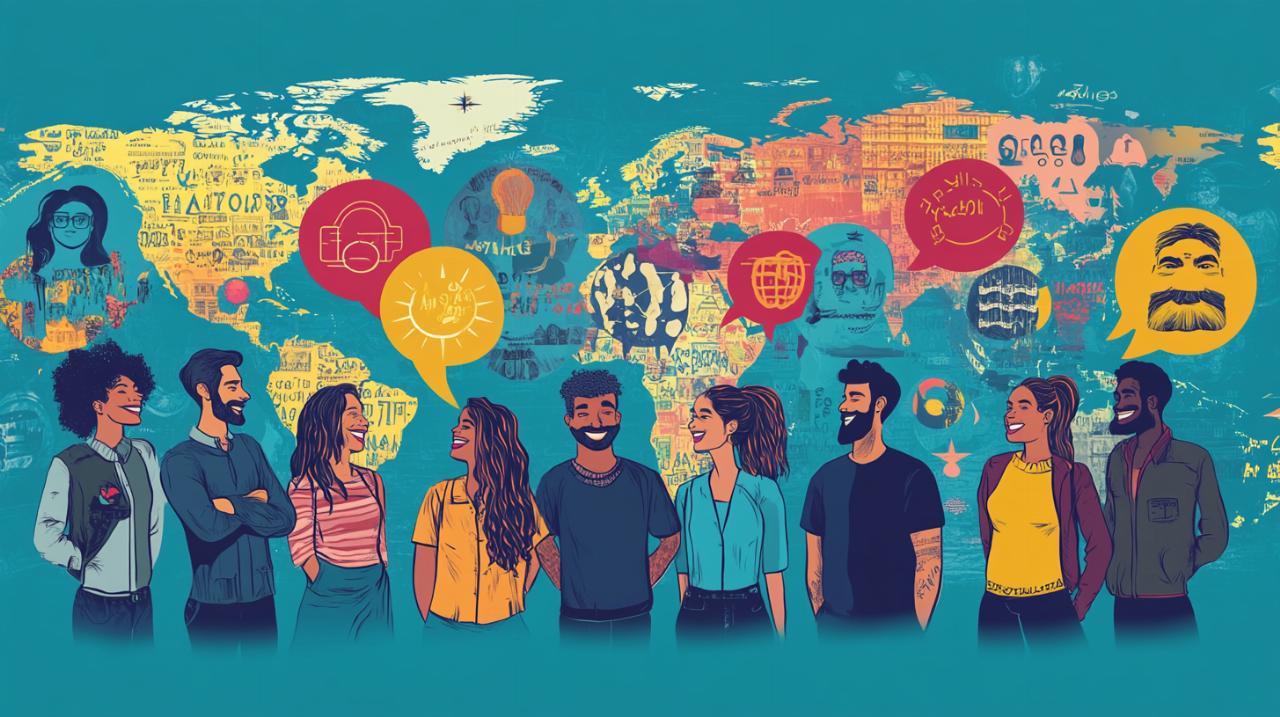
The connection between language and community wellbeing
Language serves as a cornerstone of cultural identity, providing communities with a sense of continuity, belonging, and distinctiveness that shapes both individual psychology and collective social cohesion. Research has documented how language loss precipitates psychological and social difficulties within affected communities, as evidenced by experiences among Gaelic, Welsh, and Native American populations who have witnessed the decline of their ancestral tongues. The erosion of linguistic heritage often accompanies broader cultural disruption, creating intergenerational tensions as younger members adopt dominant languages whilst elders struggle to transmit traditional values and knowledge expressed most naturally in endangered languages. This breakdown in cultural transmission can contribute to identity confusion, loss of self-esteem, and weakened community bonds that formerly united members through shared linguistic practice. Conversely, maintaining linguistic diversity provides cognitive benefits extending beyond cultural preservation. Multilingualism enhances problem-solving skills and cognitive flexibility, with research suggesting it may even help prevent dementia in later life. These cognitive advantages emerge from the mental exercise required to navigate multiple linguistic systems, strengthening neural pathways and maintaining brain health. Communities that successfully preserve their languages whilst also mastering dominant tongues enjoy both cultural continuity and practical cognitive benefits, demonstrating how linguistic diversity serves both heritage preservation and individual wellbeing simultaneously.
Practical steps towards preserving linguistic diversity
Digital documentation and modern technology solutions
Technology offers unprecedented opportunities for language preservation and revitalisation, transforming the landscape of conservation efforts in recent decades. Digital archives now capture extensive recordings of endangered languages, preserving pronunciation, grammar, and vocabulary in formats accessible to future generations of learners and researchers. These repositories serve as permanent records even if natural speaker communities disappear, maintaining the possibility of language revival long after the last native speakers have passed. Online courses and language learning applications have democratised access to minority languages, enabling interested learners worldwide to study tongues once restricted to small geographical areas. Social media platforms create virtual communities of speakers and learners, facilitating language practice and cultural exchange regardless of physical location. These digital spaces prove particularly valuable for dispersed populations unable to maintain daily face-to-face interaction in their heritage languages. Interestingly, technology's role proves complex, as modern communication devices simultaneously threaten certain linguistic forms whilst enabling preservation of others. Whistled languages, for instance, have declined as mobile phones eliminate the need for long-distance acoustic communication, yet some communities now celebrate and actively work to save these unique forms, with efforts in Turkey supporting the Kus dili whistled language demonstrating how technology can document and promote endangered linguistic practices even as it renders their original practical purposes obsolete.
Educational programmes supporting minority language speakers
Education emerges as perhaps the most critical factor determining whether languages survive or vanish, with community involvement proving essential for successful preservation initiatives. Languages become endangered primarily when fewer children learn them, often because dominant languages monopolise schools, workplaces, and media environments. Reversing this trend requires deliberate educational policies that actively support minority language instruction and create environments where children perceive genuine value in acquiring their heritage tongues alongside dominant languages required for broader economic participation. Successful language revival efforts demonstrate the possibility of reversing even severe endangerment when communities commit resources and energy to transmission. Hebrew's resurrection from a primarily liturgical language to the living tongue of millions stands as perhaps the most dramatic example, whilst Māori, Hawaiian, and Cornish revivals illustrate how dedicated educational programmes can restore languages even after near-complete loss of natural intergenerational transmission. These successes share common elements including official recognition, integration into school curricula, creation of immersive learning environments, and crucially, strong community commitment to language use beyond formal educational settings. Governments and organisations play critical roles in supporting these efforts through funding, policy frameworks, and institutional recognition that legitimises minority languages within broader society. However, preservation ultimately depends on individuals choosing to learn, speak, and transmit languages to their children, making community engagement and grassroots enthusiasm indispensable components of any successful preservation strategy. Globalisation presents both threats and opportunities, potentially overwhelming smaller languages whilst simultaneously providing tools and platforms for their documentation, teaching, and celebration in ways previously impossible.